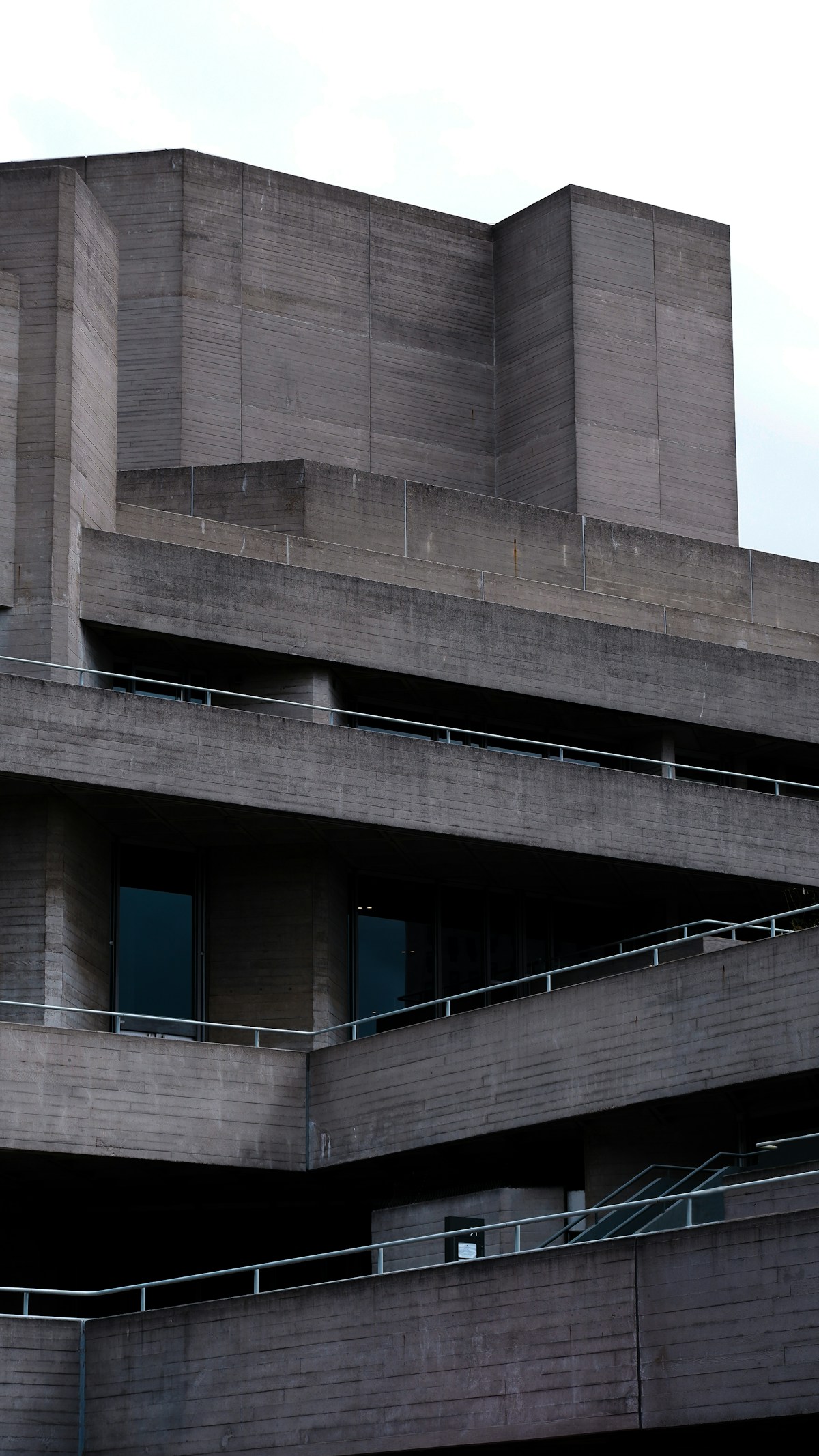
Cities in One Building: The Brutalist Dream of the Megastructure


A few real projects came close. Housing complexes in Canada, Japan, and Britain stacked dwellings into dramatic concrete terraces and interior streets. Where they were built well, residents found surprising intimacy inside the vast frames, with sunlit terraces and tight-knit communities. These buildings still draw pilgrims, architects who come to see whether the dream held up at full scale. Their survival proves the idea was not pure fantasy, even if it rarely reached its grandest form.
But the full megastructure almost never happened, and for good reason. Cities are not designed once; they grow, argue, and change. A single building cannot absorb that messiness. The flexibility promised on paper proved nearly impossible to deliver in poured concrete. The scale also concentrated risk. When one part failed, the whole structure suffered, and there was no easy way to start again. The dream foundered on the simple fact that cities are made of time as much as of space.


If a slab could hold a thousand flats, why not a whole urban world?
The dream foundered on the simple fact that cities are made of time as much as of space.

Yet the megastructure refuses to die. Its DNA reappears in airports, hospitals, and the vast mixed-use complexes rising across Asia today. Designers still borrow its logic of stacked functions and internal streets, even when they avoid its name. Speculative architects revisit the old drawings, finding in them a boldness that current practice often lacks. The idea survives as a provocation, a reminder that architecture once thought at the scale of whole worlds.
The brutalist megastructure was a magnificent overreach, and that is exactly why it still matters. It pushed concrete and ambition to their limits, exposing both the power and the danger of designing life from a single drawing. Its failures taught humility; its survivors taught what was possible when the nerve held. We may never build a city in one building, but the dream keeps redrawing the edges of what we think buildings can be.