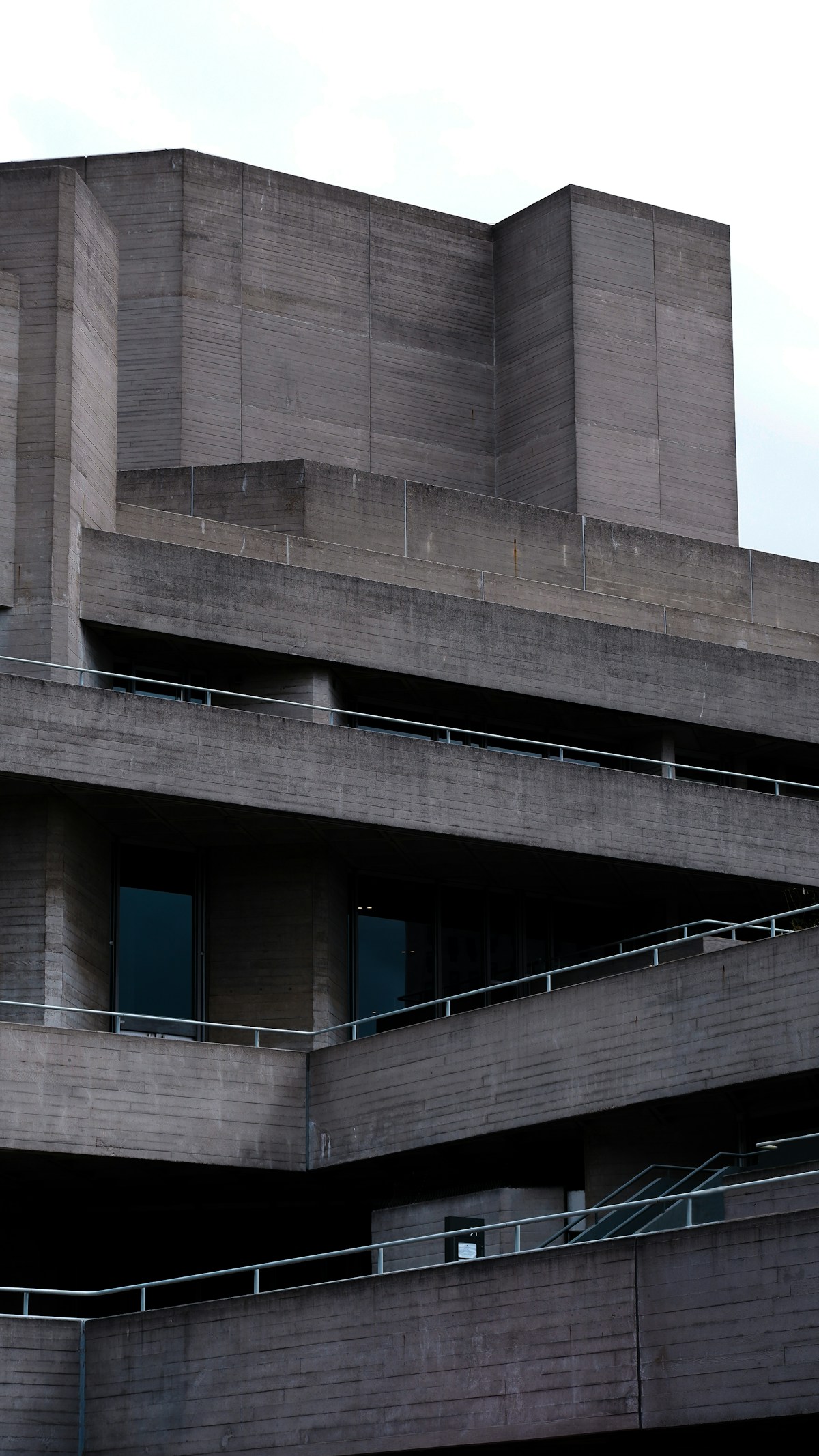
Concrete as Spirit: Why Japanese Brutalism Stands Apart


Tadao Ando pushed in the opposite direction, toward smooth, almost silken concrete walls and rooms shaped by a single beam of light. His buildings strip away ornament until only material, light, and proportion remain, turning concrete into an instrument of contemplation. A bare wall becomes profound when the sun crosses it slowly, and Ando designed precisely for that patience. The restraint draws on older Japanese ideas of emptiness and impermanence, values that long predate brutalism.
This sensibility changes what concrete means. Heaviness becomes calm rather than threat, and silence becomes a designed presence. Even large Japanese projects tend to leave room for quiet, treating emptiness as something to be shaped rather than filled. The buildings ask the visitor to slow down and notice, rewarding attention with subtle shifts of light and shadow. Strength, here, is expressed through subtlety rather than sheer scale.

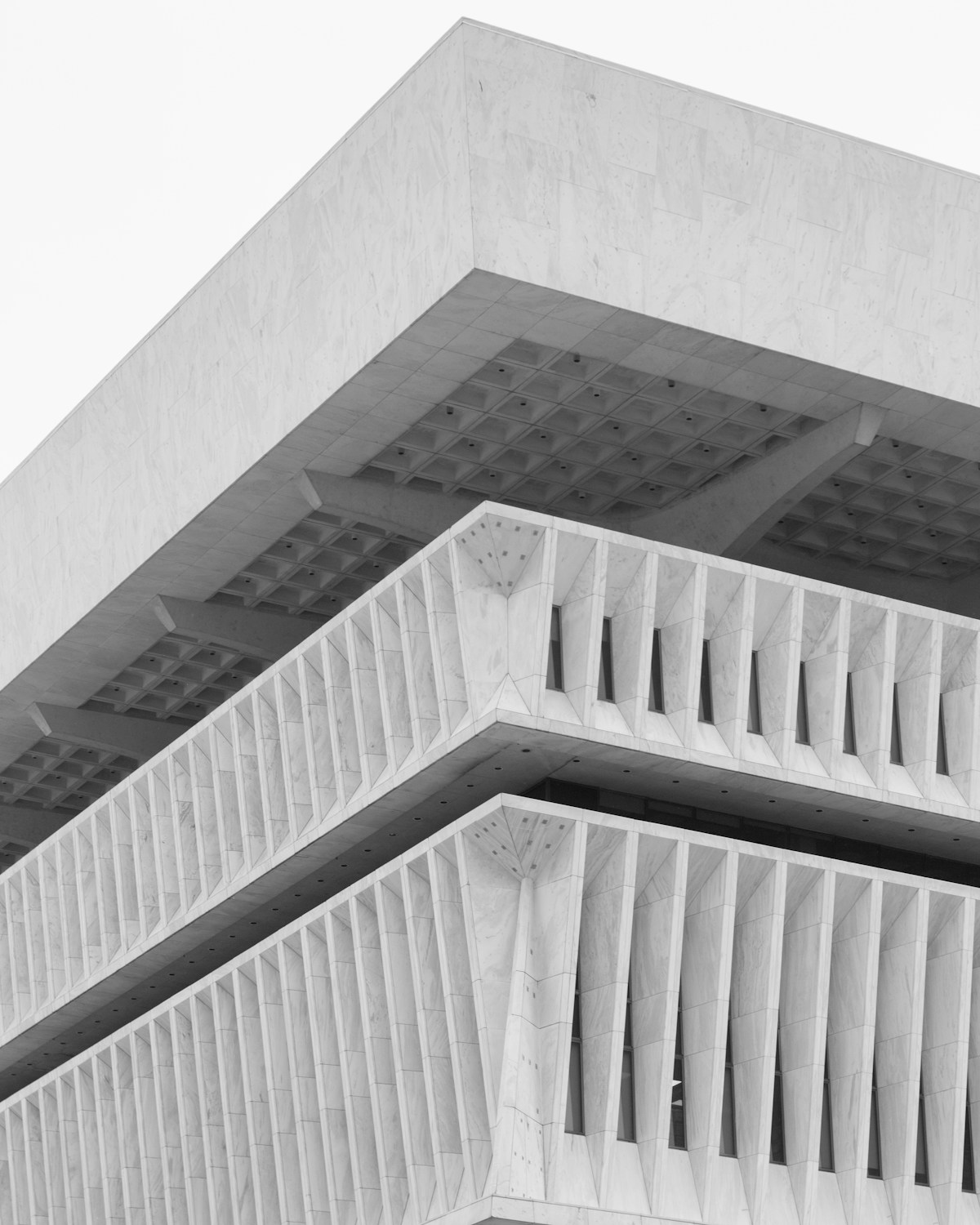
Where Western brutalism often shouted, the Japanese version frequently whispered.
A bare wall becomes profound when the sun crosses it slowly.

Japanese brutalism has aged unusually well, in part because its makers cared so deeply about how concrete weathers and how light falls. Many of these buildings remain in active, loving use, their surfaces gaining depth rather than simply staining. International architects make pilgrimages to see them, studying how mass and emptiness can coexist so gracefully. They have become reference points for anyone seeking calm in modern material.
Japan's concrete reminds us that brutalism was never a single idea but a material open to many philosophies. In Japanese hands, raw concrete learned to hold silence, light, and a sense of the sacred in everyday space. That achievement explains why this work feels timeless where other brutalism feels dated. Concrete as spirit is brutalism's quietest and perhaps most enduring chapter.