Written by:

Portrait of Tobias Bauer, Contributing Writer, Design & Typography.

Tobias Bauer

Part of issue:

02

Published:

Reading time:

7 min

Navigate:

/

Acoustic Monuments: The Brutalist Halls That Reshaped Live Sound

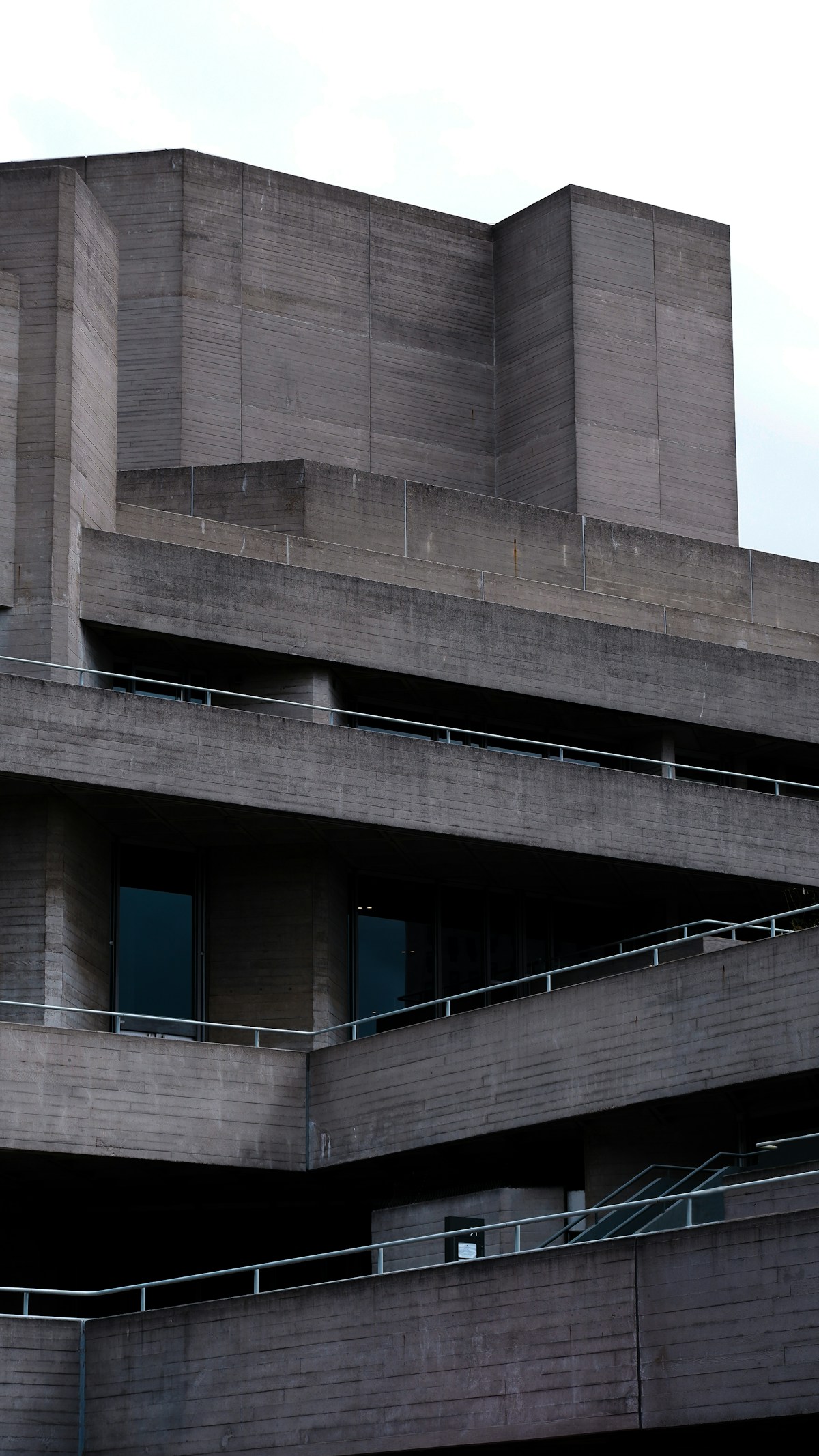
Cover photograph of brutalist concrete architecture for the article "Acoustic Monuments: The Brutalist Halls That Reshaped Live Sound".
Great concrete halls were engineered as much for the ear as the eye. Brutalism's theatres and concert spaces turned raw, exposed structure into instruments built for sound.

A great concert hall must be seen and heard, and brutalism turned out to be unusually good at both. Raw concrete could be shaped to sculpt sound with surprising precision. Mass was the gift. Thick concrete walls block the noise of the city, sealing the audience inside a single tuned chamber. From London's Southbank to halls across Europe, architects wrapped auditoriums in board-marked concrete and let the structure double as acoustic instrument. What looked like brute weight was, in fact, finely calculated to carry music.

Acousticians and architects worked together as never before. The angle of a balcony, the texture of a wall, the volume of the room all shaped how sound would travel. Concrete let them build complex, faceted surfaces that scattered reflections evenly, so every seat received a balanced sound. Where plaster might crack or warp, concrete held its precise geometry, preserving the acoustic design for decades. The hall became a single resonant object, its rough surfaces doing serious technical work.

Cover photograph of brutalist concrete architecture for the article "Acoustic Monuments: The Brutalist Halls That Reshaped Live Sound".
Great concrete halls were engineered as much for the ear as the eye. Brutalism's theatres and concert spaces turned raw, exposed structure into instruments built for sound.

A great concert hall must be seen and heard, and brutalism turned out to be unusually good at both. Raw concrete could be shaped to sculpt sound with surprising precision. Mass was the gift. Thick concrete walls block the noise of the city, sealing the audience inside a single tuned chamber. From London's Southbank to halls across Europe, architects wrapped auditoriums in board-marked concrete and let the structure double as acoustic instrument. What looked like brute weight was, in fact, finely calculated to carry music.

Acousticians and architects worked together as never before. The angle of a balcony, the texture of a wall, the volume of the room all shaped how sound would travel. Concrete let them build complex, faceted surfaces that scattered reflections evenly, so every seat received a balanced sound. Where plaster might crack or warp, concrete held its precise geometry, preserving the acoustic design for decades. The hall became a single resonant object, its rough surfaces doing serious technical work.

Brutalist concrete architecture photographed for the article "Acoustic Monuments: The Brutalist Halls That Reshaped Live Sound".

These buildings also staged a drama of arrival. Visitors climbed concrete stairs and passed through low foyers before the auditorium opened around them. The contrast between heavy approach and soaring hall heightened the sense of occasion, the architecture preparing the ear before a note was played. Exposed structure reminded audiences that they sat inside a made thing, an instrument as much as a room. Going to a concert became a procession through concrete toward sound.

Not every hall succeeded. Some early designs produced dead spots or harsh echoes that took years and expensive adjustments to tame. The same mass that sealed out the city could trap unwanted resonance inside, and concrete is unforgiving once poured. Critics seized on these failures, treating them as proof that brutalism cared more for image than for use. The best halls answered by quietly delivering some of the finest acoustics in the world.

Detail of raw concrete forms illustrating the article "Acoustic Monuments: The Brutalist Halls That Reshaped Live Sound".
Textured concrete surfaces and structure shown in the article "Acoustic Monuments: The Brutalist Halls That Reshaped Live Sound".

What looked like brute weight was, in fact, finely calculated to carry music.

Going to a concert became a procession through concrete toward sound.

Light and shadow across bare concrete, accompanying the article "Acoustic Monuments: The Brutalist Halls That Reshaped Live Sound".

Many of these venues are now beloved fixtures of their cities' cultural life, their concrete softened in public memory by decades of great performances. Refurbishments have updated seating and services while preserving the acoustic shells that make the rooms sing. Musicians often speak of these halls with affection, prizing a warmth of sound that newer venues struggle to match. The buildings have earned their place less through looks than through how they make music feel.

Brutalist halls remind us that concrete was never only about appearance; it was about performance in the most literal sense. They show a movement willing to subordinate its bold forms to the invisible discipline of acoustics. In these rooms, weight and sound meet, and the result is architecture you experience with your ears as much as your eyes. The acoustic monument is brutalism at its most generous, building drama in service of the listener.

Monumental brutalist building featured in the article "Acoustic Monuments: The Brutalist Halls That Reshaped Live Sound".

Create a free website with Framer, the website builder loved by startups, designers and agencies.