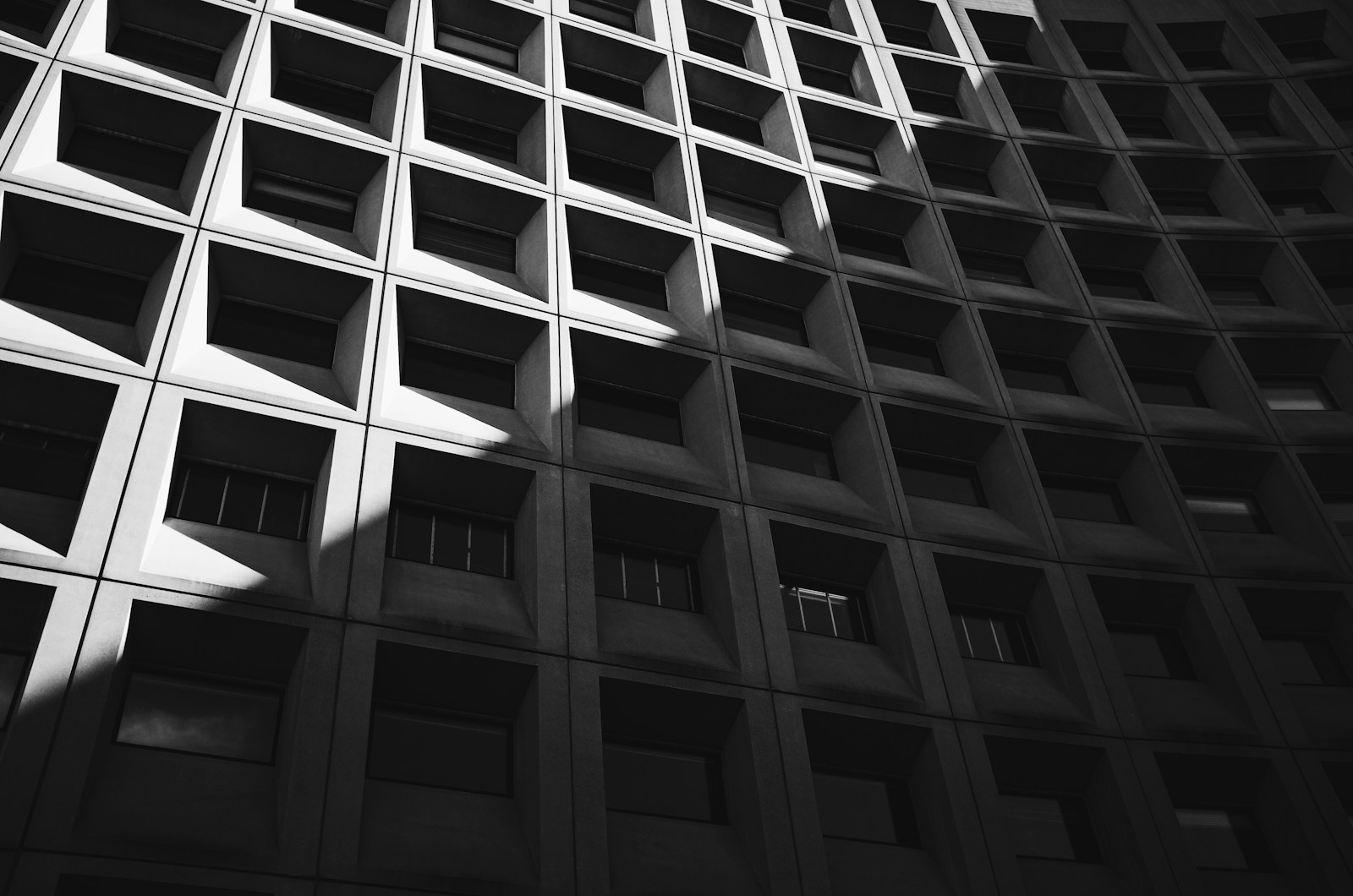
Concrete on Campus: How Brutalism Reshaped the Postwar University


Many of these campuses still function much as intended. The robust concrete frames have absorbed decades of heavy student use without complaint. Libraries with deep window reveals and board-marked walls have aged into beloved landmarks, photographed by the students who once found them forbidding. The raised walkways, often criticised, do keep crowds moving between lectures with surprising efficiency in bad weather. Where they were maintained, the buildings have quietly proved their worth.
Not all aged so kindly. Some campuses became confusing mazes of identical concrete, hard to navigate and harder to love. Long corridors and blank facades could feel institutional in the worst sense, more like infrastructure than a place to think. Changing teaching methods left some lecture theatres stranded, designed for a style of mass instruction that has since shifted. The very flexibility concrete promised sometimes hardened into rigidity.


For a brief period, higher education and raw concrete seemed almost synonymous.
These were not modest buildings; they were statements about the value a society placed on knowledge.

Universities now face the question of what to do with their concrete inheritance. Demolition is expensive and increasingly unfashionable. Sensitive refurbishment, adding glazing, warmth, and better wayfinding, has revived buildings once slated for the wrecking ball. Students, it turns out, often cherish these spaces, drawn to their drama and their refusal to flatter. The campus has become a site where the argument over brutalism's value is being settled building by building.
Brutalism reshaped the university because it matched a rare moment of public confidence in education and the future. Those buildings still carry that optimism in their scale, even as the funding that built them has long since vanished. To walk a concrete campus is to feel the ambition of a society that believed learning deserved monuments. That belief, more than the concrete, is what the best of these places preserve.