Written by:

Portrait of Tobias Bauer, Contributing Writer, Design & Typography.

Tobias Bauer

Part of issue:

02

Published:

Reading time:

9 min

Navigate:

/

Power in Concrete: Brutalism and the Architecture of the State

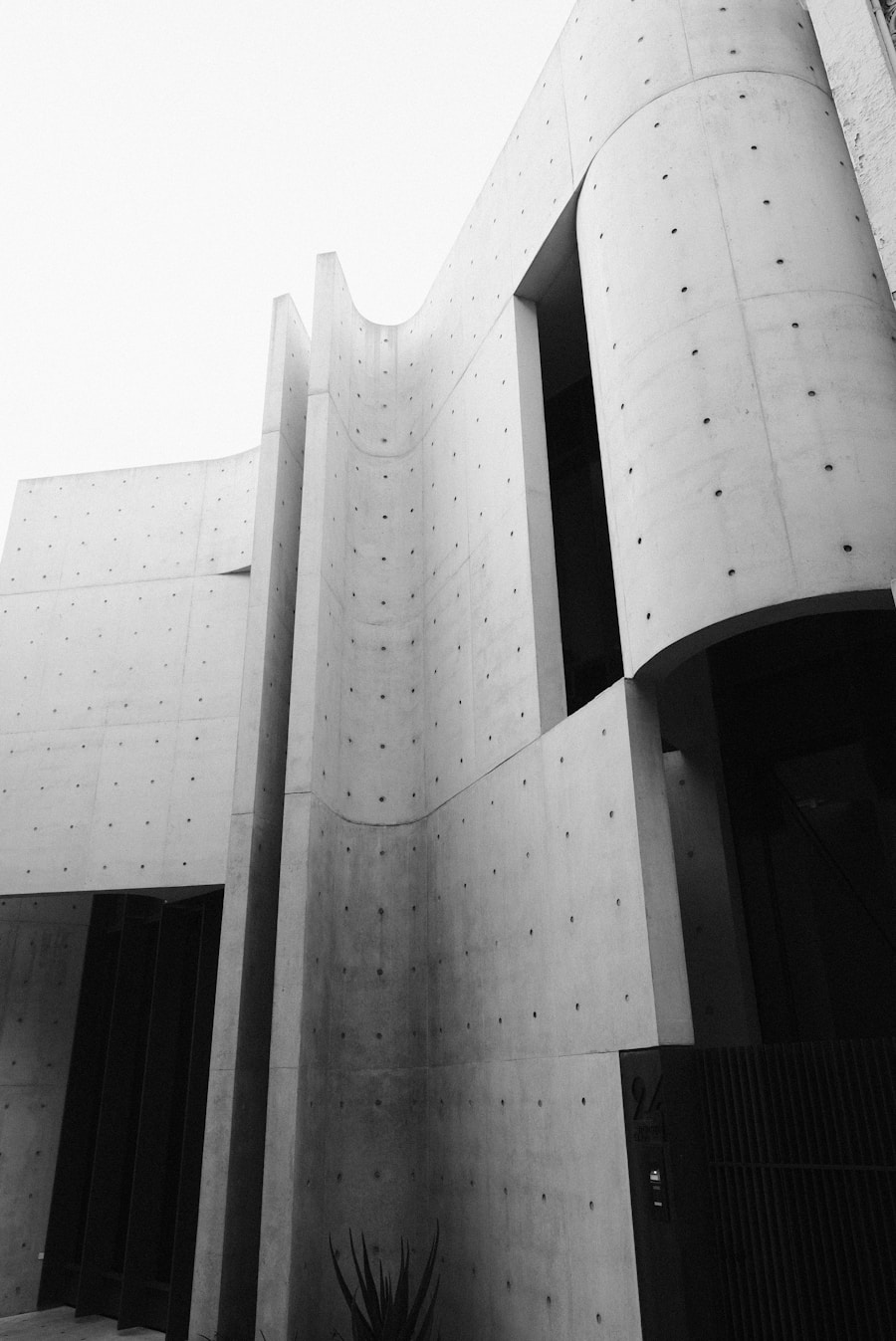
Cover photograph of brutalist concrete architecture for the article "Power in Concrete: Brutalism and the Architecture of the State".
Town halls, ministries, and courts turned to concrete to look permanent and incorruptible. Brutalism became the unofficial language of the modern state, for better and for worse.

When governments wanted to look permanent, they reached for concrete. Brutalism gave the modern state a face that seemed solid, serious, and impossible to flatter into prettiness. Town halls, ministries, courts, and embassies rose in heavy grey forms designed to outlast any single administration. The message was continuity, not charm. Concrete suited the bureaucratic age. It could be poured into vast, repetitive structures that mirrored the scale of the institutions inside them. For a generation of officials, raw concrete was the architecture of authority itself.

For new democracies, the appeal was honesty. A building with nothing to hide seemed fitting for a government that claimed to serve openly. Le Corbusier's government complex in Chandigarh became the template, its great concrete forms standing for a young nation's confidence and independence. Civic plazas were laid out at deliberately grand scale, meant to dwarf the individual and remind citizens of the collective they belonged to. The same gesture could feel inspiring or intimidating, depending entirely on who held the power within.

Cover photograph of brutalist concrete architecture for the article "Power in Concrete: Brutalism and the Architecture of the State".
Town halls, ministries, and courts turned to concrete to look permanent and incorruptible. Brutalism became the unofficial language of the modern state, for better and for worse.

When governments wanted to look permanent, they reached for concrete. Brutalism gave the modern state a face that seemed solid, serious, and impossible to flatter into prettiness. Town halls, ministries, courts, and embassies rose in heavy grey forms designed to outlast any single administration. The message was continuity, not charm. Concrete suited the bureaucratic age. It could be poured into vast, repetitive structures that mirrored the scale of the institutions inside them. For a generation of officials, raw concrete was the architecture of authority itself.

For new democracies, the appeal was honesty. A building with nothing to hide seemed fitting for a government that claimed to serve openly. Le Corbusier's government complex in Chandigarh became the template, its great concrete forms standing for a young nation's confidence and independence. Civic plazas were laid out at deliberately grand scale, meant to dwarf the individual and remind citizens of the collective they belonged to. The same gesture could feel inspiring or intimidating, depending entirely on who held the power within.

Brutalist concrete architecture photographed for the article "Power in Concrete: Brutalism and the Architecture of the State".

That ambiguity was always part of the story. The forms that expressed democratic seriousness could just as easily express the weight of an unaccountable bureaucracy. Citizens approaching a concrete ministry might feel respect or dread, and architects could not fully control which. The material spoke louder than intention. In authoritarian states, the same vocabulary hardened into pure intimidation, vast blank walls designed to make the individual feel small. Brutalism never carried a fixed politics; it amplified whatever power commissioned it.

As trust in institutions declined, these buildings became lightning rods. The concrete that once read as steadfast began to read as cold and remote. Critics blamed the architecture for the alienation people felt toward government, as if the walls themselves had caused the distance. Many state buildings were quietly clad, softened, or demolished, their original conviction edited out in favour of friendlier glass. The retreat said as much about changing attitudes to authority as about any flaw in the buildings.

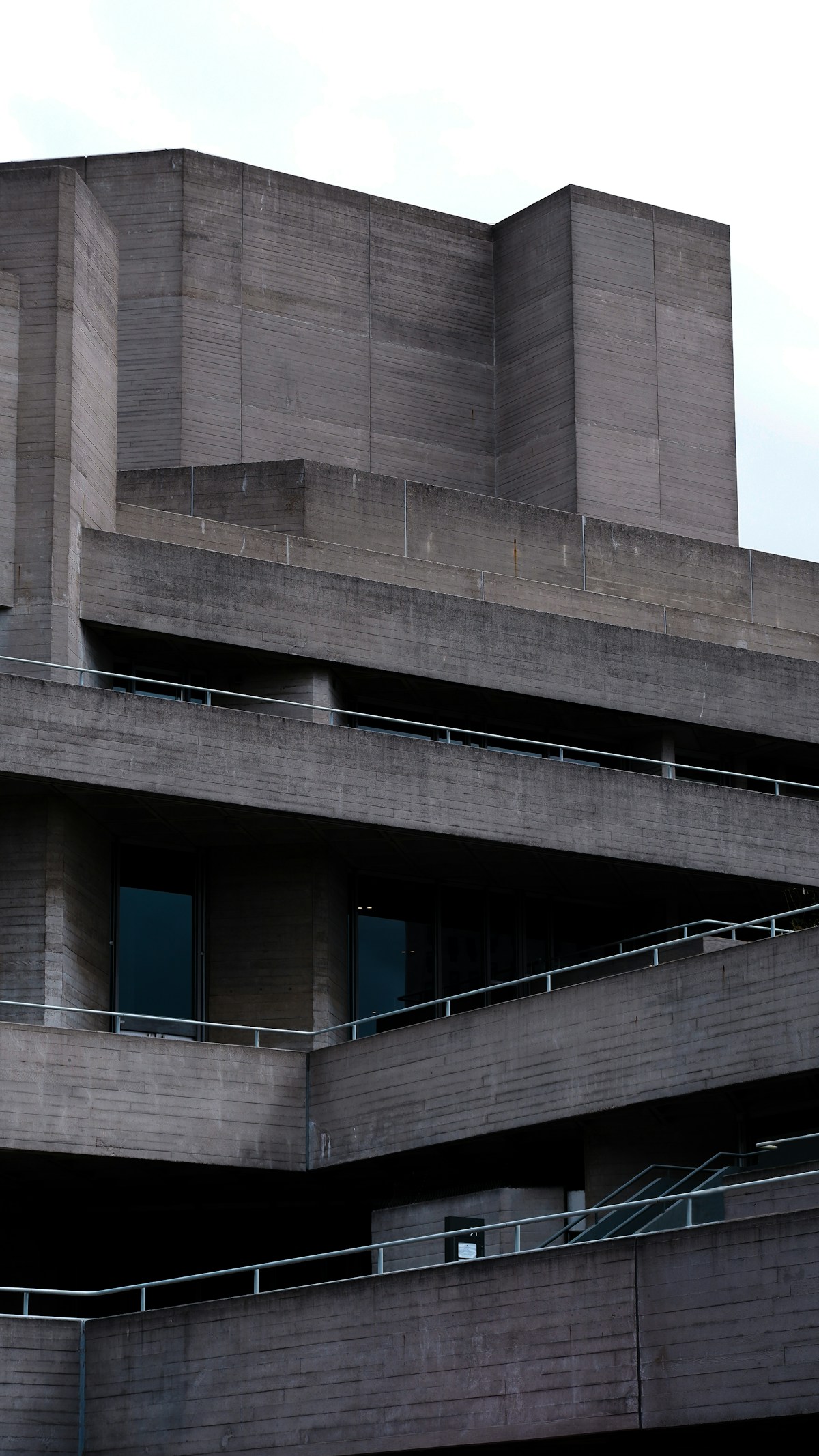
Detail of raw concrete forms illustrating the article "Power in Concrete: Brutalism and the Architecture of the State".
Textured concrete surfaces and structure shown in the article "Power in Concrete: Brutalism and the Architecture of the State".

Brutalism never carried a fixed politics; it amplified whatever power commissioned it.

A building with nothing to hide seemed fitting for a government that claimed to serve openly.

Light and shadow across bare concrete, accompanying the article "Power in Concrete: Brutalism and the Architecture of the State".

Today some civic brutalism is being reappraised as a record of a more confident public era. Preservationists argue these buildings document how the state once saw itself. Refurbished courts and halls have proved capable of dignified second lives, their heavy frames easily adapted to new uses. Photographers and historians treat them as monuments to a particular faith in public institutions, now harder to summon. To save them is partly to remember a time when the state built as if it expected to be believed in.

The architecture of the state in concrete remains a mirror for our feelings about power itself. We read our trust, or our suspicion, into its walls. These buildings ask an uncomfortable question: what should public authority look like, and how heavy should it be allowed to feel? Their permanence has outlived many of the certainties that produced them, leaving us to decide what they now mean. Concrete made power visible, and that visibility is exactly why it still unsettles.

Monumental brutalist building featured in the article "Power in Concrete: Brutalism and the Architecture of the State".

Create a free website with Framer, the website builder loved by startups, designers and agencies.