The Surprise Within: What Life Inside Brutalist Walls Feels Like


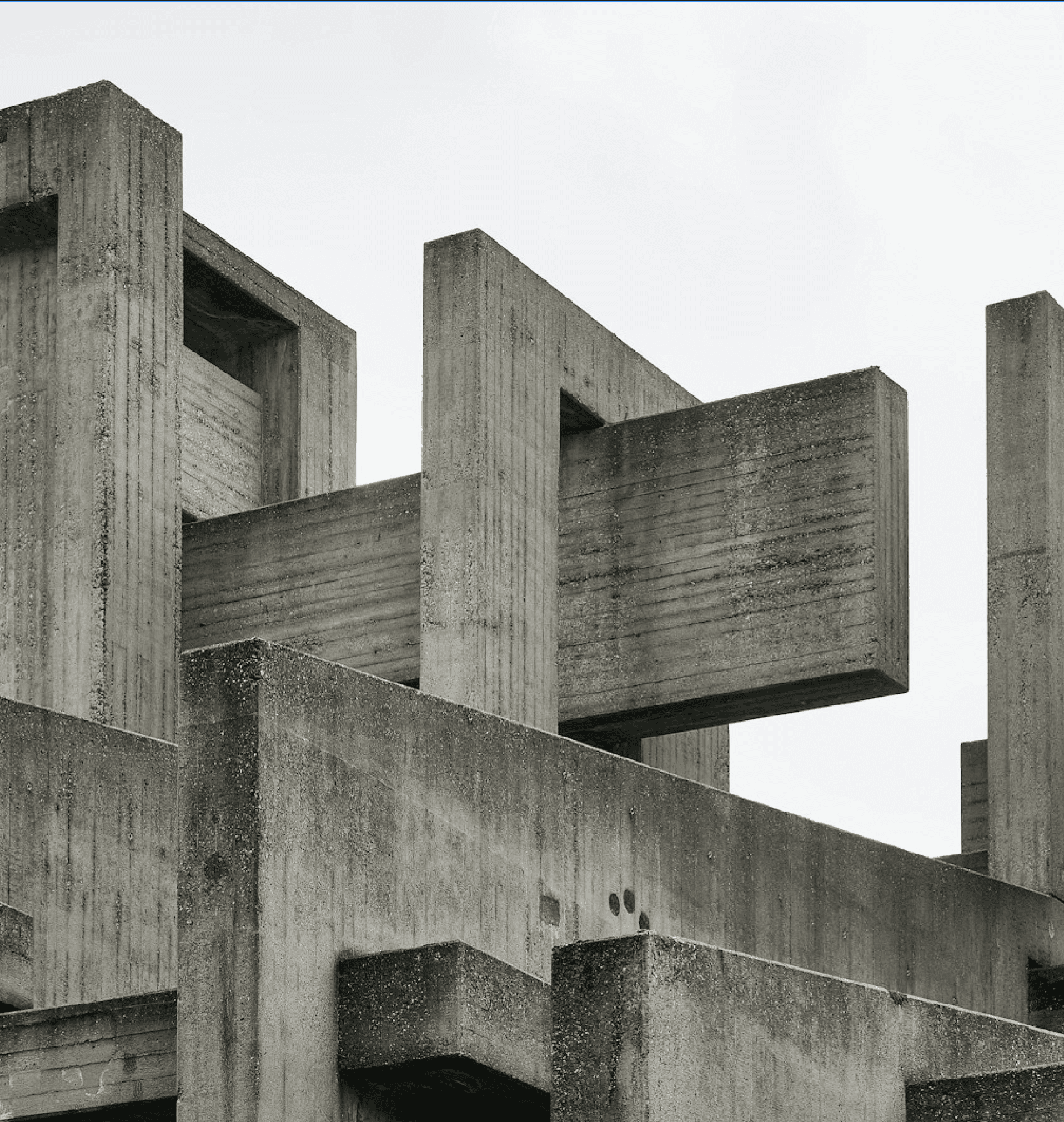

Light is the great surprise. Clerestory windows, deep reveals, and hidden skylights wash concrete surfaces in changing tones. Raw concrete, often imagined as dim, actually holds and softens daylight beautifully, shifting in colour hour by hour. A wall that looks dead in a photograph comes alive as the sun moves across its texture. Inside, the material proves far more responsive than its reputation allows.
Materials warm the experience in ways outsiders never see. Timber, textiles, and worn surfaces meet the concrete and soften it. The thickness that intimidates from the street also brings quiet, dampening noise into something restful. Residents describe rooms that feel solid and protective, a steadiness that newer, thinner buildings rarely offer. The everyday reality is often domestic, comfortable, and strangely peaceful.


Living with concrete is rarely what the outside leads you to expect.
A wall that looks dead in a photograph comes alive as the sun moves across its texture.

People who live in these buildings tend to defend them fiercely once they have settled in. They speak of generous proportions, durable surfaces, and a feeling of being properly held by the structure. The attachment is practical as much as aesthetic, born of rooms that simply work well over time. Affection grows from living, not from looking.
To judge brutalist buildings only by their façades is to miss most of what they offer. The surprise within is the real argument for the style, the gap between forbidding outside and welcoming inside. These interiors deliver a quiet, ordinary domestic comfort that the grey walls never advertise. The best brutalist buildings save their generosity for the people who step inside.