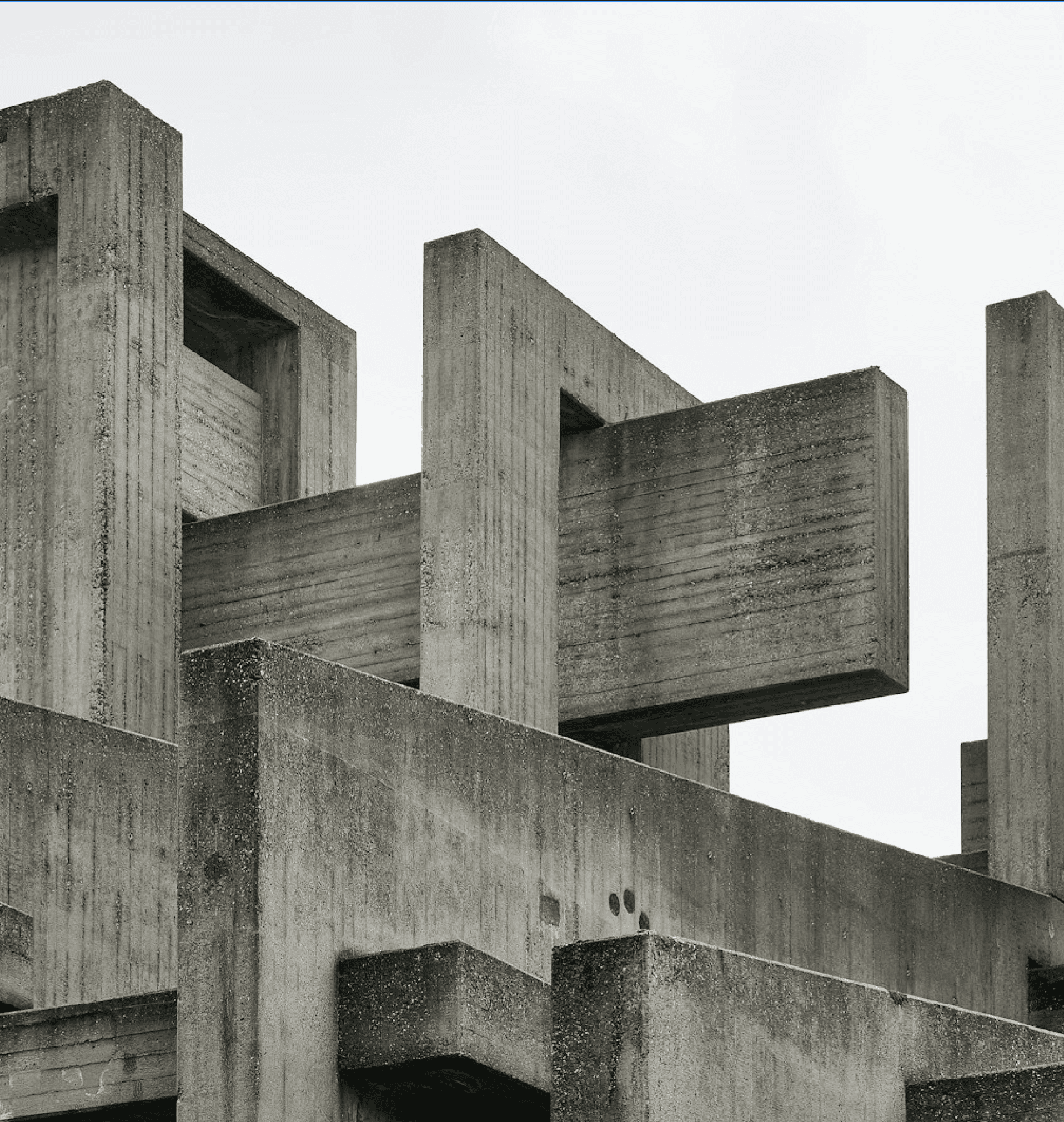
Saving Concrete: The Difficult Politics of Preserving Brutalism


Money complicates everything. Maintaining raw concrete is genuinely expensive, and owners are tempted by the cheaper, simpler path of clearance. Repairing weathered concrete, fixing failed waterproofing, and upgrading services can cost as much as building anew. Without public funding or strong protection, even beloved buildings struggle to find a viable future. The economics quietly tilt the table toward demolition.
Yet tearing down concrete carries a hidden cost rarely counted in the decision. Demolition wastes the enormous carbon already locked into the structure. Replacing a sound concrete building with a new one is often the more polluting, not the greener, choice. As climate concerns grow, the case for reuse over replacement strengthens, even for unloved buildings. Knocking down concrete can be a carbon-heavy mistake dressed up as progress.


Saving concrete means fighting not just decay but disgust.
Knocking down concrete can be a carbon-heavy mistake dressed up as progress.

There are hopeful examples. Sensitive refurbishment has given brutalist buildings dignified second lives as homes, offices, and cultural spaces. Insulation, new glazing, and careful cleaning answer the technical complaints while keeping the original character. Public campaigns have saved structures once condemned, mobilising affection that surprised the authorities. Each rescue makes the next one easier to imagine.
To preserve a brutalist building is to argue about more than concrete; it is to ask what makes a place worth keeping. These debates force us to separate fashion from value and to think about the long memory of cities. Whatever we decide, the choice should be made knowingly, not by neglect and default. Each threatened concrete giant tests what we are actually willing to lose forever.