Written by:

Portrait of James Okafor, Senior Editor, Photography.

James Okafor

Part of issue:

04

Published:

Reading time:

11 min

Navigate:

/

Concrete Reframed: How a New Generation Reclaims Brutalism

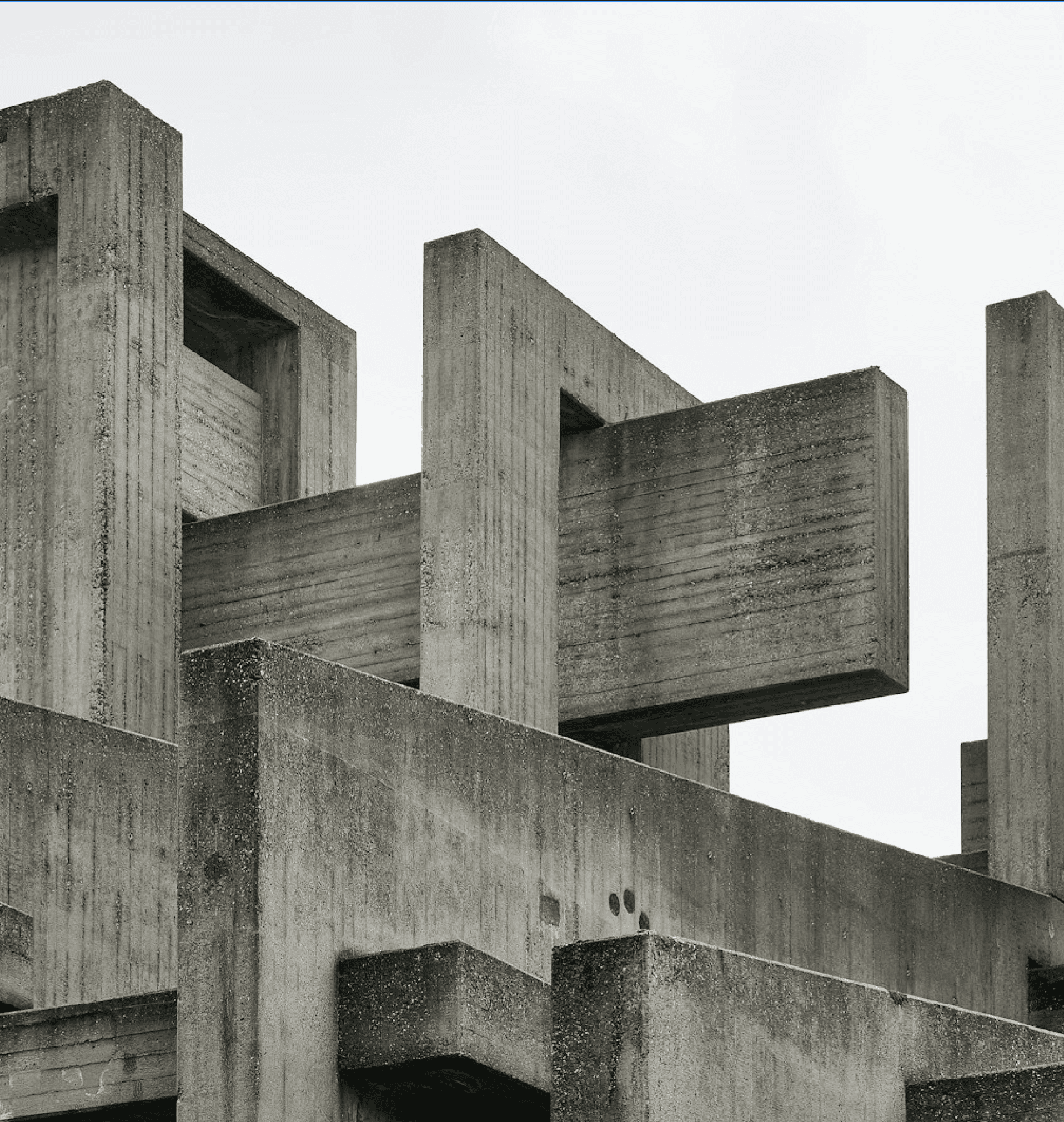
Cover photograph of brutalist concrete architecture for the article "Concrete Reframed: How a New Generation Reclaims Brutalism".
A new generation is not copying brutalism but interrogating it. They ask what the movement was always trying to say, then build that unfinished vision for today.

A new generation of architects has fallen for concrete again, but they are not simply copying the past. They treat brutalism as an unfinished argument worth reopening. Instead of imitating old forms, they ask what the movement was really trying to say and what of it still holds. The interest is critical rather than nostalgic, sorting the ideals worth keeping from the failures worth abandoning. They build that unfinished vision for today, on their own terms.

Where the originals were driven by postwar scarcity and idealism, today's revival is shaped by sustainability and a hunger for honest material. In a world of thin, disposable surfaces, raw concrete promises something solid, durable, and frankly itself. Younger designers value buildings that feel grounded and real against a backdrop of glossy, forgettable construction. Brutalism's truthfulness, not its harshness, is what draws them back.

Cover photograph of brutalist concrete architecture for the article "Concrete Reframed: How a New Generation Reclaims Brutalism".
A new generation is not copying brutalism but interrogating it. They ask what the movement was always trying to say, then build that unfinished vision for today.

A new generation of architects has fallen for concrete again, but they are not simply copying the past. They treat brutalism as an unfinished argument worth reopening. Instead of imitating old forms, they ask what the movement was really trying to say and what of it still holds. The interest is critical rather than nostalgic, sorting the ideals worth keeping from the failures worth abandoning. They build that unfinished vision for today, on their own terms.

Where the originals were driven by postwar scarcity and idealism, today's revival is shaped by sustainability and a hunger for honest material. In a world of thin, disposable surfaces, raw concrete promises something solid, durable, and frankly itself. Younger designers value buildings that feel grounded and real against a backdrop of glossy, forgettable construction. Brutalism's truthfulness, not its harshness, is what draws them back.

Brutalist concrete architecture photographed for the article "Concrete Reframed: How a New Generation Reclaims Brutalism".

Contemporary projects borrow brutalism's love of structure and texture while updating its technical failings. Better insulation, smarter daylighting, and lower-carbon concrete mixes address the problems that once gave the style a bad name. Architects keep the exposed frame and board-marked surface but make the buildings warm, efficient, and comfortable. The aim is to inherit the spirit without repeating the mistakes.

The mood is different too. Stripped of imperial ambition, the new work tends to be smaller, warmer, and more playful. Exposed concrete now appears in homes, cafés, galleries, and studios rather than vast civic schemes. Designers pair it with greenery, soft light, and tactile materials to make it inviting rather than austere. Brutalism has been domesticated, scaled down from monument to dwelling.

Detail of raw concrete forms illustrating the article "Concrete Reframed: How a New Generation Reclaims Brutalism".
Textured concrete surfaces and structure shown in the article "Concrete Reframed: How a New Generation Reclaims Brutalism".

They treat brutalism as an unfinished argument worth reopening.

Brutalism's truthfulness, not its harshness, is what draws them back.

Light and shadow across bare concrete, accompanying the article "Concrete Reframed: How a New Generation Reclaims Brutalism".

This revival is also a reckoning. The new generation knows the social failures of the original estates and refuses to romanticise them. They keep the ambition that ordinary spaces deserve dignity while rejecting the top-down arrogance that often came with it. Community input, flexibility, and care replace the old faith in grand masterplans. The result is a brutalism chastened by history but still bold.

Concrete reframed is less a comeback than a continuation, picking up a conversation the movement left unfinished. It proves that brutalism's core ideas, honesty, solidity, structure made visible, still have something to offer. By editing rather than copying, the new generation gives concrete a credible future. They build the vision the originals reached for but never quite completed.

Monumental brutalist building featured in the article "Concrete Reframed: How a New Generation Reclaims Brutalism".

Create a free website with Framer, the website builder loved by startups, designers and agencies.