Written by:

Portrait of Aiko Tanaka, Contributing Writer, Japan & Asia-Pacific.

Aiko Tanaka

Part of issue:

01

Published:

Reading time:

8 min

Navigate:

/

Naming a Movement: The Smithsons and the Birth of New Brutalism

Cover photograph of brutalist concrete architecture for the article "Naming a Movement: The Smithsons and the Birth of New Brutalism".
In 1950s Britain, Alison and Peter Smithson gave a rough new architecture its name. New Brutalism began less as a style than as a stubborn ethic of truth to materials.

Every movement needs a name, and brutalism found its English one through Alison and Peter Smithson. The young couple gave the rough new architecture a label and, more importantly, a manifesto. Their early work was small but uncompromising, stripping buildings to structure, services, and surface with almost moral seriousness. They argued that architecture should reveal its materials and its workings rather than dress them up. Pipes, beams, and brick were to be shown, not hidden. In their hands, brutalism was less a look than an ethic, a refusal of comfort for its own sake.

Their school at Hunstanton became an early test of the idea. Steel frame, exposed services, and bare brick were left frankly visible throughout. Visitors were unsettled. A building that showed its plumbing seemed to break an unspoken rule about what finished architecture should conceal. But to the Smithsons, that visibility was the whole point. To see how a building worked was to be told the truth about it. The school made their reputation and announced that a new, harder sensibility had arrived in postwar Britain.

Cover photograph of brutalist concrete architecture for the article "Naming a Movement: The Smithsons and the Birth of New Brutalism".
In 1950s Britain, Alison and Peter Smithson gave a rough new architecture its name. New Brutalism began less as a style than as a stubborn ethic of truth to materials.

Every movement needs a name, and brutalism found its English one through Alison and Peter Smithson. The young couple gave the rough new architecture a label and, more importantly, a manifesto. Their early work was small but uncompromising, stripping buildings to structure, services, and surface with almost moral seriousness. They argued that architecture should reveal its materials and its workings rather than dress them up. Pipes, beams, and brick were to be shown, not hidden. In their hands, brutalism was less a look than an ethic, a refusal of comfort for its own sake.

Their school at Hunstanton became an early test of the idea. Steel frame, exposed services, and bare brick were left frankly visible throughout. Visitors were unsettled. A building that showed its plumbing seemed to break an unspoken rule about what finished architecture should conceal. But to the Smithsons, that visibility was the whole point. To see how a building worked was to be told the truth about it. The school made their reputation and announced that a new, harder sensibility had arrived in postwar Britain.

Brutalist concrete architecture photographed for the article "Naming a Movement: The Smithsons and the Birth of New Brutalism".

The couple were also sharp theorists, writing and lecturing as fiercely as they built. They spoke of the as found, the beauty of ordinary materials taken as they are. They drew on streets, markets, and working-class life, insisting that architecture should learn from how people actually lived rather than from classical ideals. Their proposals for housing imagined streets in the sky, raised decks where neighbours might meet as they once did on terraced pavements. These ideas spread quickly through journals and conferences, shaping a generation that took brutalism far beyond anything the Smithsons themselves built.

Not everything they proposed succeeded. The streets in the sky, realised by others at scale, often failed to deliver the community they promised. Critics later blamed the Smithsons for ideas that went wrong in hands far less careful than their own. The line between theory and disaster proved thin. Yet their own buildings remained rigorous and humane, suggesting that the failures lay more in execution and neglect than in the original thought. They spent decades defending a vision that the public had already turned against.

Detail of raw concrete forms illustrating the article "Naming a Movement: The Smithsons and the Birth of New Brutalism".
Textured concrete surfaces and structure shown in the article "Naming a Movement: The Smithsons and the Birth of New Brutalism".

To see how a building worked was, for the Smithsons, to be told the truth about it.

They spoke of the as found: the beauty of ordinary materials taken exactly as they are.

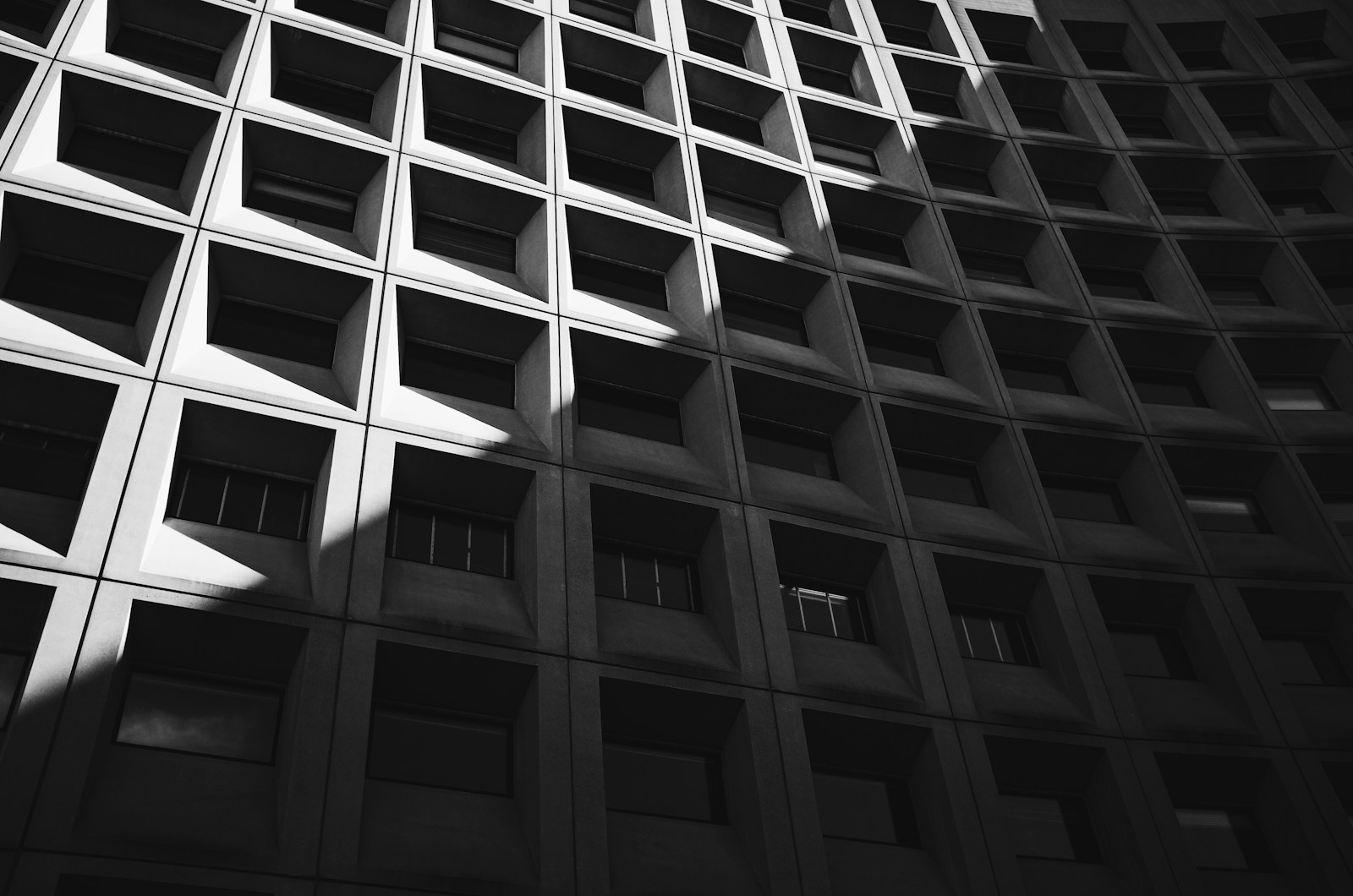
Light and shadow across bare concrete, accompanying the article "Naming a Movement: The Smithsons and the Birth of New Brutalism".

In recent years the Smithsons have been reassessed as among the most influential architects of their century. Exhibitions and reissued writings have restored their standing. Designers admire the discipline of their thinking, the way every decision answered to a clear principle rather than to fashion. Their notion of the as found, in particular, feels strikingly contemporary in an age suspicious of polish and hungry for authenticity. The name they coined has outlived the insults once attached to it.

New Brutalism was always more argument than appearance, and the Smithsons supplied the argument. They asked what an honest building should owe to the people who use it. Their answer, that it should tell the truth about itself, still echoes through architecture schools today. Whether one finds their buildings beautiful or harsh, their seriousness is hard to dismiss. They named a movement, and in doing so they handed it a conscience.

Monumental brutalist building featured in the article "Naming a Movement: The Smithsons and the Birth of New Brutalism".

Create a free website with Framer, the website builder loved by startups, designers and agencies.