
Béton Brut: How Raw Concrete Became an Architectural Language


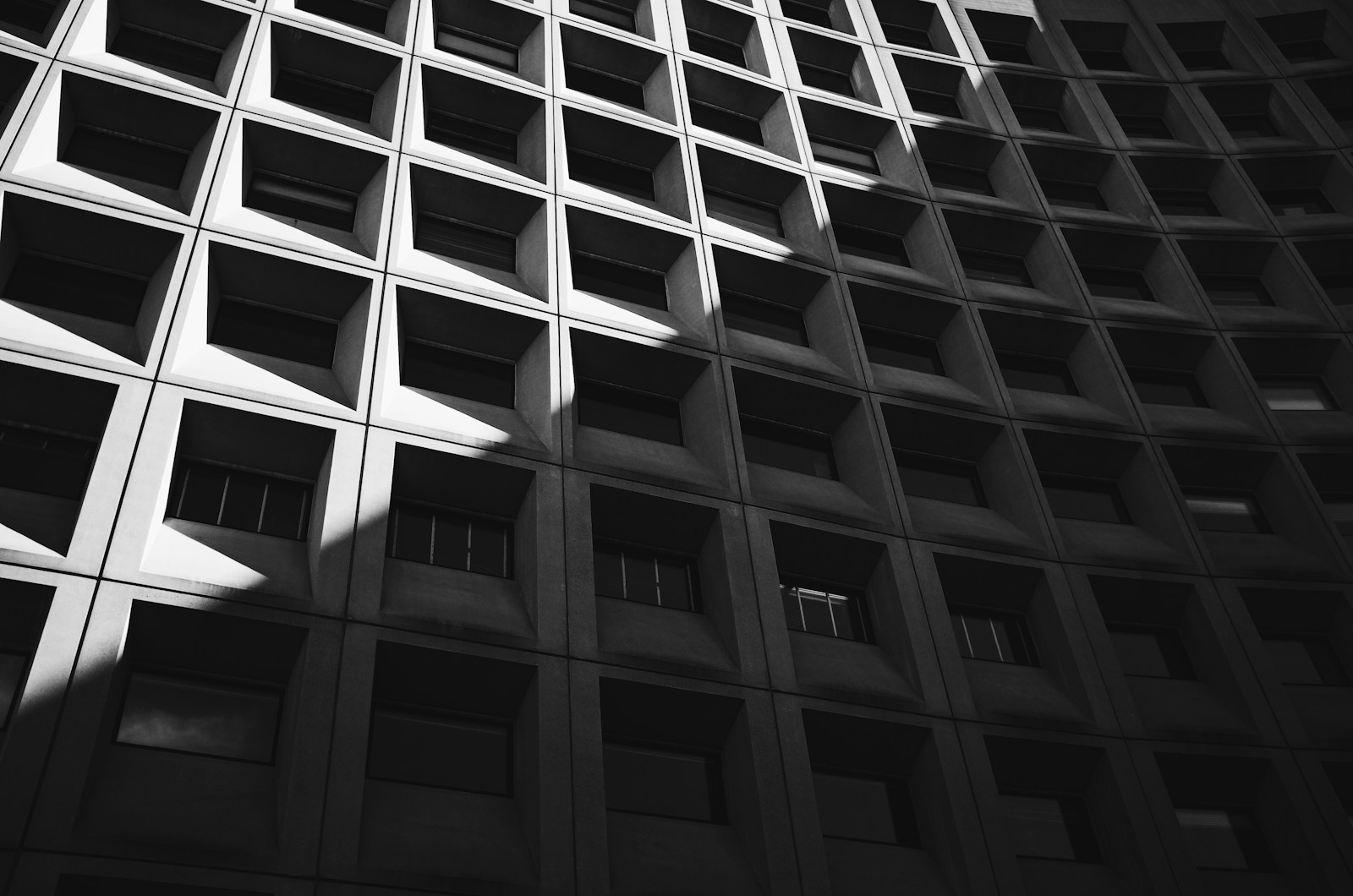
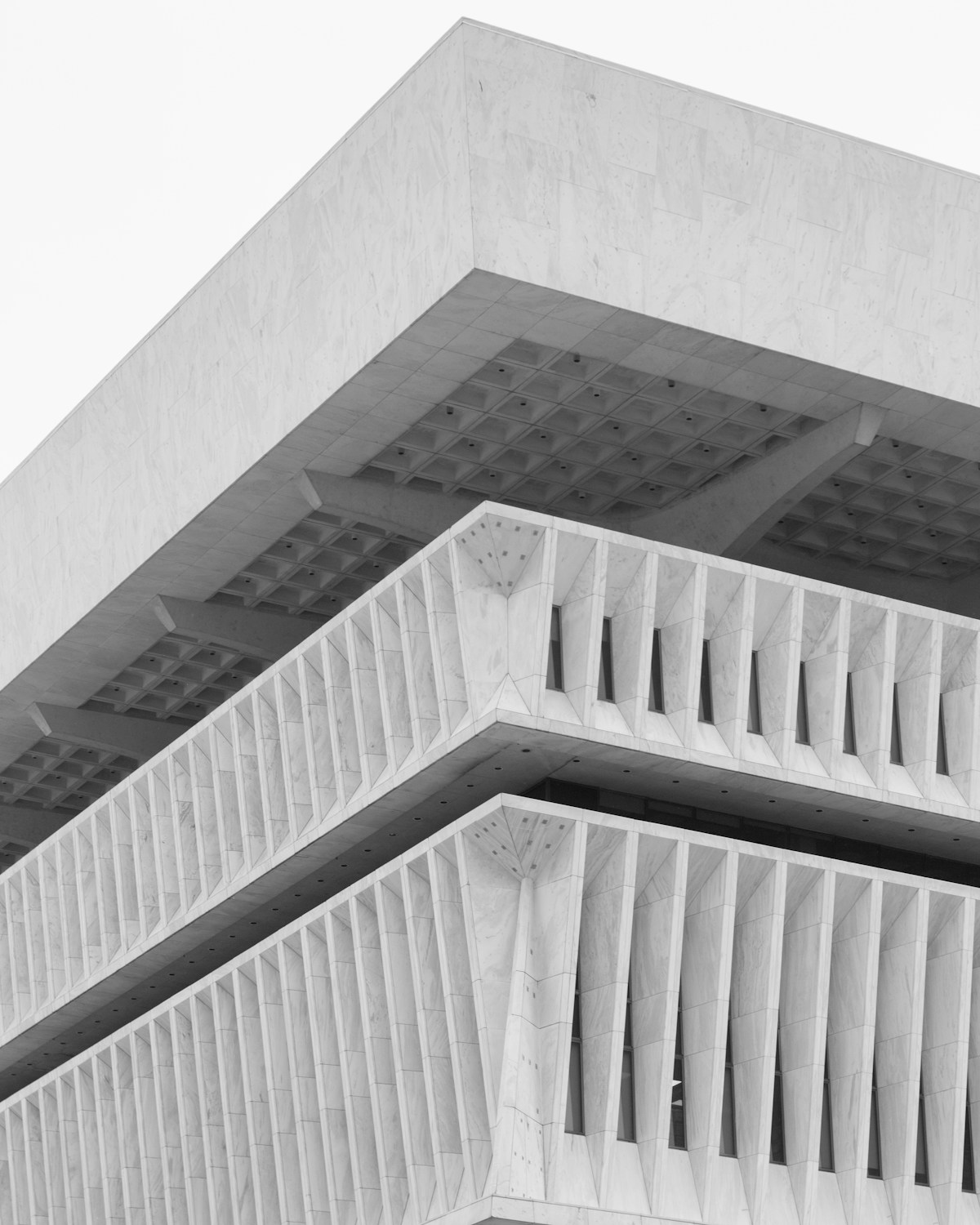
The texture of béton brut was never accidental. The pattern left by wooden boards, the marks of bolts and joints, all of it was read as evidence of the building's making. Some architects ordered special formwork to control the grain, treating the imperfection as a designed effect. Roughness was curated, not merely tolerated. Light became a crucial collaborator. Across a textured concrete wall, the sun draws out every ridge and shadow, so the surface changes hour by hour. A material often called cold turned out to be unusually alive, responding to weather and time in ways smoother finishes could not.
Critics were divided from the start. To admirers, raw concrete was truthful and noble; to detractors it was grim, heavy, and indifferent to human comfort. The same wall could be praised as monumental and condemned as oppressive, depending on who stood before it. Few materials have provoked such opposite readings. Climate complicated the argument. In wet northern cities, untreated concrete weathered into dark streaks that confirmed every prejudice against it. The debate was never settled, and that unresolved tension is part of why the material still fascinates.


To show concrete unfinished was to argue that honesty itself could be beautiful.
A material often called cold turned out to be unusually alive, changing hour by hour with the light.

Today designers are rediscovering béton brut with fresh eyes. Exposed concrete appears in galleries, homes, and cafés, prized for the calm weight it brings to a room. Advances in low-carbon mixes and better sealing have answered some of the old technical complaints without erasing the material's character. Photographers and stylists have made raw concrete shorthand for a certain serious, understated taste, far from its postwar associations with austerity. What was once a statement of necessity has become a statement of restraint, chosen rather than imposed.
Béton brut endures because it solved a problem that never went away: how to build honestly in a mass-produced world. It offered a way to make structure visible, to let a building explain itself rather than disguise its bones behind decoration. That clarity is its lasting gift, and it explains why architects keep returning to the rough grey wall as a kind of touchstone. Raw concrete remains less a style than a question about truth in building, asked again with every pour.


