
Everyday Monuments: The Overlooked Brutalism of Carparks and Transit


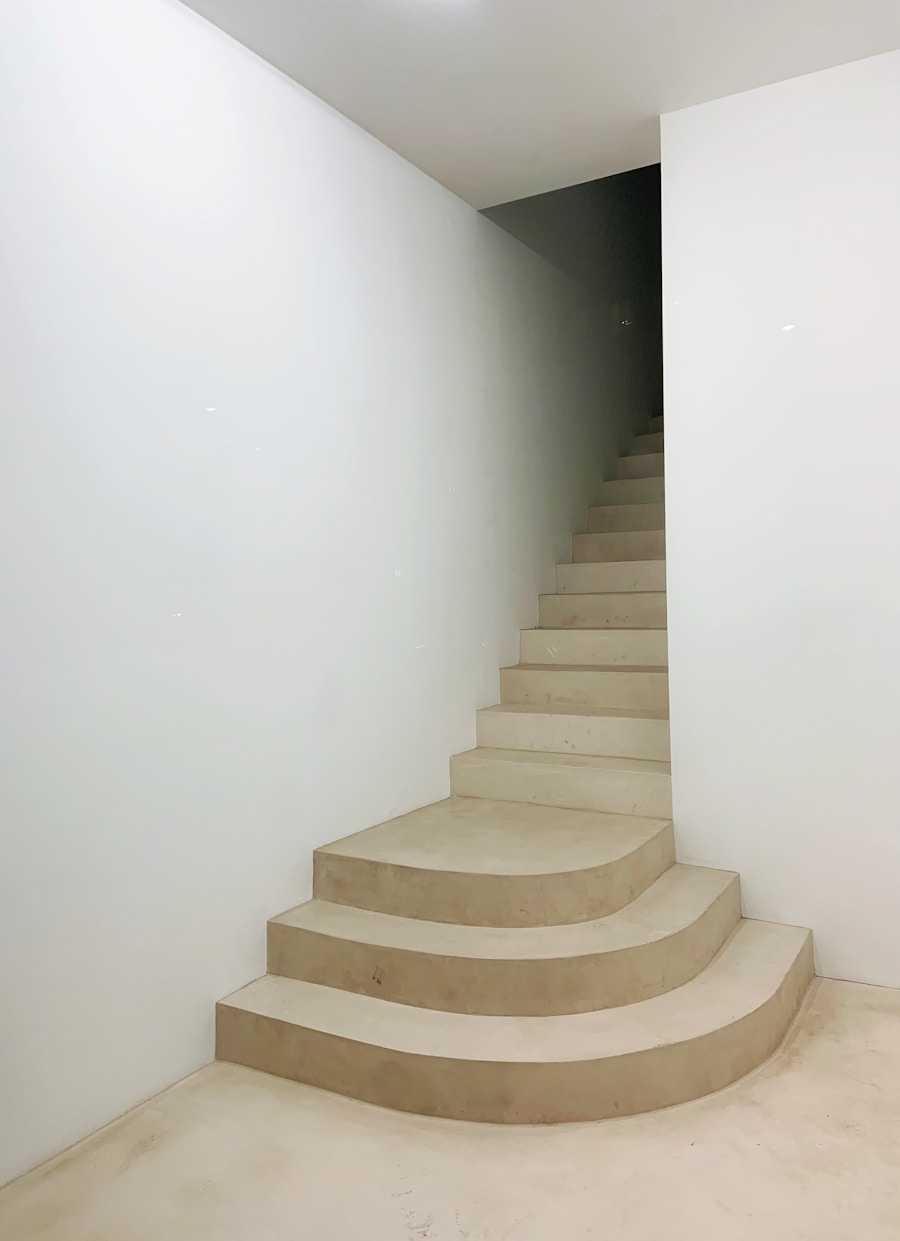


A multi-storey car park is, at heart, pure structure, its ramps and slabs laid bare for anyone to read. Engineers and architects sometimes treated these as serious design problems, producing surprisingly elegant solutions. Spiralling ramps, rhythmic openings, and exposed frames can be genuinely beautiful when looked at fresh. Engineering and architecture meet most honestly in these humble buildings.
Some of these utilitarian structures achieved real distinction, admired by those who paused to notice. A few bus stations and transit halls became local landmarks, their bold concrete forms outshining grander neighbours. Designers used the freedom of low expectations to experiment, since no one was watching too closely. Hidden in the everyday, real invention occasionally flourished.


The unglamorous concrete does the heavy lifting of urban life.
Hidden in the everyday, real invention occasionally flourished.

Because they were ordinary, these buildings rarely received protection, and many were demolished without debate. A car park inspires little public affection, so its loss passes unremarked even when the design was fine. Only recently have campaigners begun arguing that everyday brutalism is also worth saving. The case for preservation is harder to make for the unglamorous.
Looking again at car parks and transit reveals how much thought went into the background of our cities. Everyday brutalism asks us to find ambition and even beauty in the structures we pass without seeing. Its survival depends on our willingness to value the useful as well as the iconic. The brutalism we use without noticing may yet teach us to find beauty in doing so.


